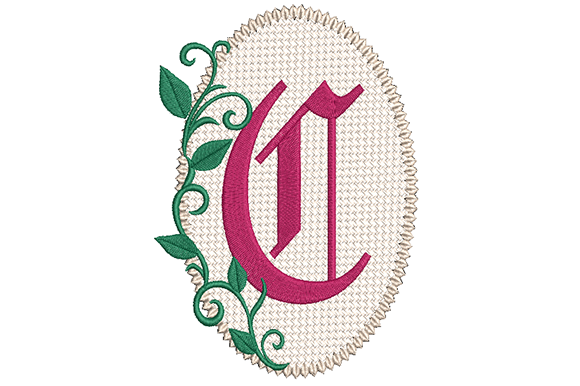
Olde English Monogram Letter C
A Designer’s First Look: Elegance with Quiet Confidence
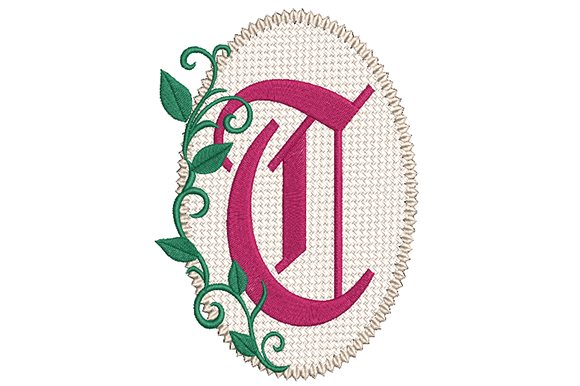
When I opened Olde English Monogram Letter C, I didn’t just see a letter—I saw intention. The sweeping curves, the subtle weight shifts in the strokes, and that distinctive serifed flourish at the terminal all signal tradition without stiffness. It doesn’t shout “vintage”—it leans in with quiet confidence, like a well-tailored cufflink or a hand-stitched hem. That makes it especially strong for Wedding Monogram work, yes—but also for boutique baby blankets, linen aprons, and even minimalist sweatshirt embroidery where personality matters more than punctuation.
Real Project Test: A Linen Tea Towel for a Bridal Shower Gift
Last week, I stitched Olde English Monogram Letter C onto a heavyweight, unbleached linen tea towel—intended as a bridal shower gift. Why this combo? Because the design’s knockdown stitch (mentioned in the product description) truly shines on plush or textured surfaces. On terry cloth towels, it anchors cleanly before the main monogram layers. On linen, it added subtle dimension without muddying the clean grain. The result felt handmade but polished—not fussy, not generic. Guests noticed it immediately, not because it was loud, but because it looked *considered*. That’s the difference between decoration and design.
Where It Shines—and Where to Pause
Olde English Monogram Letter C performs best when given breathing room and thoughtful context:
- Custom apparel: Works beautifully on sweatshirt cuffs, tote bag corners, and pillow covers—especially when paired with neutral thread (heather grey, oatmeal, charcoal) on natural fabrics.
- Baby embroidery: Softens nicely on cotton knit onesies if sized appropriately (avoid under 3” height unless you’ve tested stitch clarity).
- Holiday & wedding gifts: Feels heirloom-ready on kitchen towels, napkin sets, or embroidered patches sewn onto denim jackets.
- Etsy seller & small shop product: Stands out in digital previews—its shape reads clearly even in thumbnail mockups, helping buyers visualize it on their own finished product.
But here’s where I slow down:
- Stretchy fabric: Requires cutaway stabilizer + basting—those fine serifs can distort if the ground moves.
- Curved surfaces (caps, curved pockets): May need digitizing tweaks for consistent stitch lay; test on scrap first.
- Dark fabric + light thread: Fill stitch density matters—if too sparse, the background shows through and weakens contrast.
- Tiny hoop sizes (<4”): Check whether the design fits comfortably with margin room. Don’t force it.
What It Adds to Your Finished Product—Beyond Aesthetics
Using Olde English Monogram Letter C isn’t just about placing a letter—it’s about elevating perception. On a handmade tote bag, it signals care in curation. On a baby blanket, it whispers legacy. For an Etsy seller, it quietly reinforces brand consistency across listings—especially when used alongside complementary monograms (A, B, D). Customers don’t just buy the item; they buy the feeling of thoughtfulness behind it. That builds trust faster than any banner headline.
And let’s be real: in commercial embroidery, clarity is currency. This design avoids overworked fill areas, so stitch time stays reasonable and thread breaks are rare. That means fewer re-hooping moments, less tension troubleshooting, and more predictable output—critical when fulfilling craft fair orders or wholesale requests.
Practical Designer Notes You’ll Actually Use
Before stitching Olde English Monogram Letter C into your next project, here’s what I do—every time:
- Test on scrap fabric that matches your final substrate—linen, terry, fleece, or cotton poplin—to assess how the knockdown stitch behaves.
- Check thread color contrast in natural light. What reads bold on screen may fade on oat-colored canvas.
- Review stitch density visually in your embroidery software—look for thin connectors or tight corners that could snag or skip.
- Confirm hoop size compatibility—don’t assume it fits your 4×4 unless verified. Some Olde English fonts balloon unexpectedly.
- Inspect small details in black-and-white mockups. If the serifs disappear or blur, adjust size or digitizing settings.
- Use proper stabilizer: medium tear-away for stable wovens, cutaway for knits or terrycloth.
- Verify licensing before selling finished items or bundling the machine embroidery design as part of a digital product. When in doubt, re-read the terms—or contact the creator.
Final Thought: Not Just a Letter—A Design Decision
Olde English Monogram Letter C isn’t filler. It’s a quiet anchor—a detail that tells your customer you chose well. Whether you’re stitching a single holiday embroidery gift or building a full line of personalized nursery decor, this embroidery file supports intention over impulse. It works for the craft business owner who values repeat buyers, the Etsy seller who curates every listing like a mini-gallery, and the designer who knows that sometimes, the most powerful statement is made by a single, well-placed letter.
Just remember: great embroidery starts before the needle drops. So test it. Touch the fabric. Hold the thread up to light. Then stitch—not just what’s expected, but what feels right.